
A Name Built on Cultural Ground
The Cinelli Vigorelli carries the name of Milan’s Velodromo Maspes–Vigorelli, a venue woven into the fabric of Italian cycling. It’s the same track where riders like Fausto Coppi and Jacques Anquetil once attempted and set hour records, and that historical weight subtly echoes through the name of the frame. Nothing about this heritage is invented — it simply exists, and the product draws from it.
By choosing “Vigorelli,” Cinelli tied the frame to a place that already held cultural meaning long before the bike itself existed. This association doesn’t act like traditional sponsorship; instead, it gives the frame a story through connection to place rather than contracts.
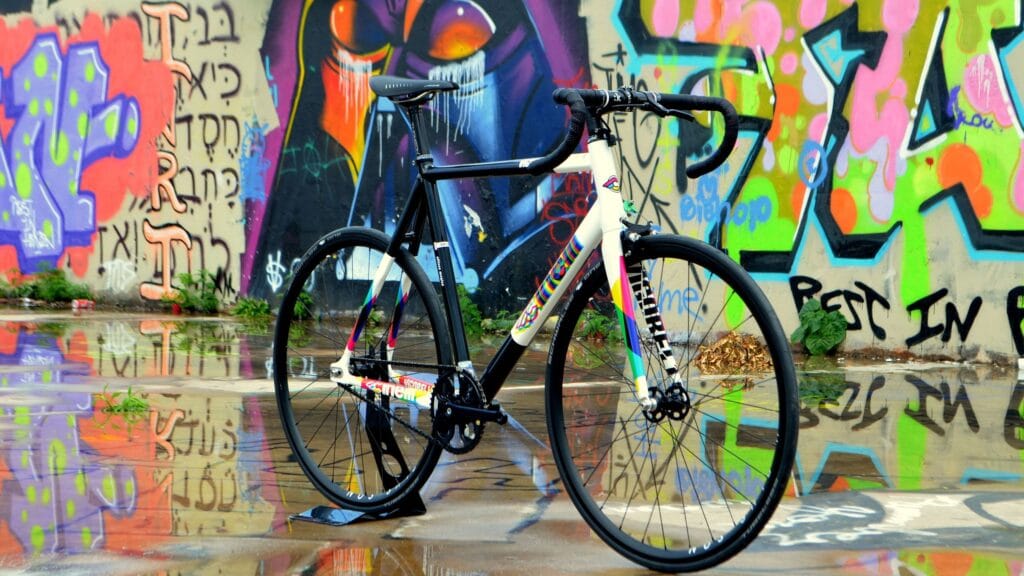
A Track Frame That Escaped the Track
The Cinelli Vigorelli was developed as an aluminium track and fixed-gear frame with a clean, recognisable geometry. The cinelli vigorelli first appeared on the market in the mid-2000s. Since then, Cinelli has continued to refine the frame across several generations, adjusting tube shapes, geometries and paint schemes for both velodrome use and the growing fixed-gear urban scene. Its evolution mirrors the way the bike was used in the real world: part track machine, part city tool, and eventually a widely recognised icon within fixed-gear culture.
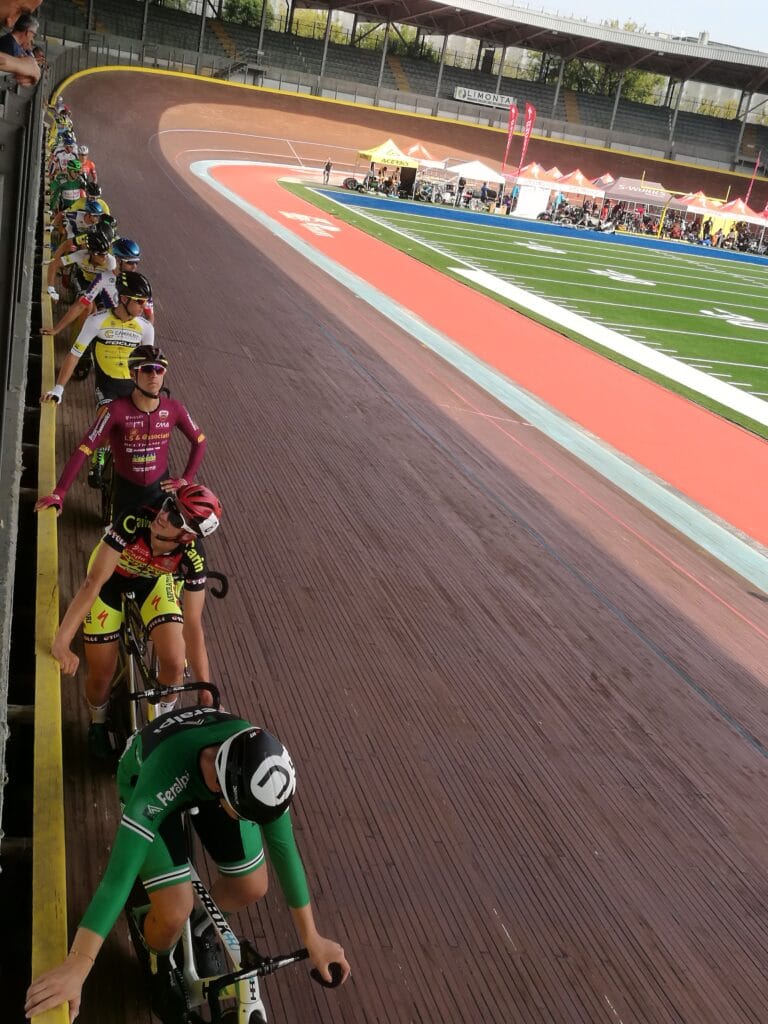
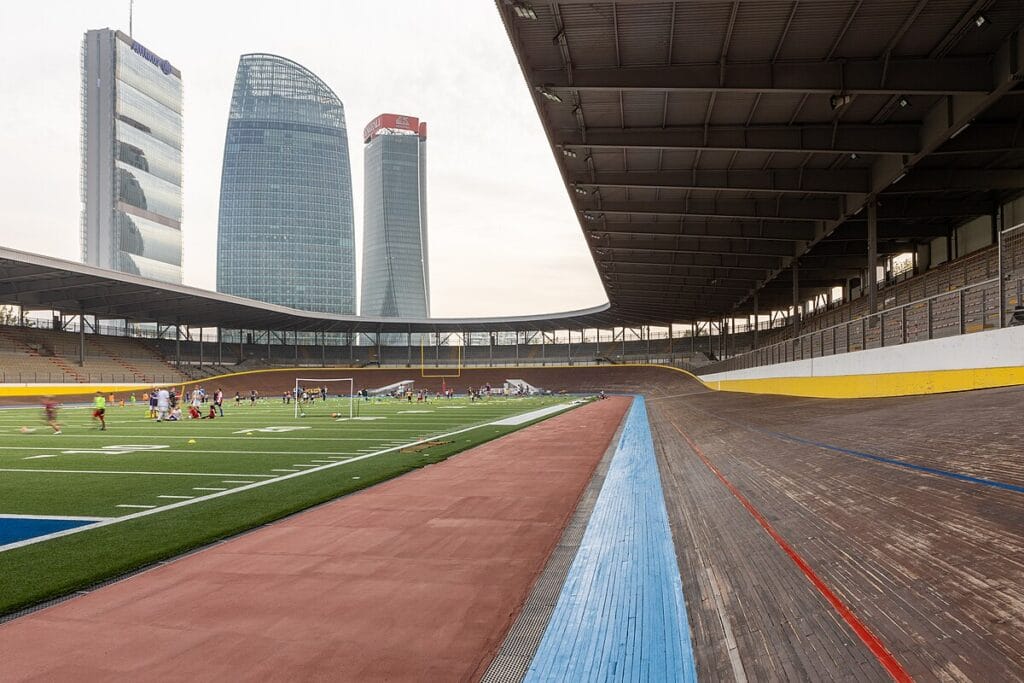
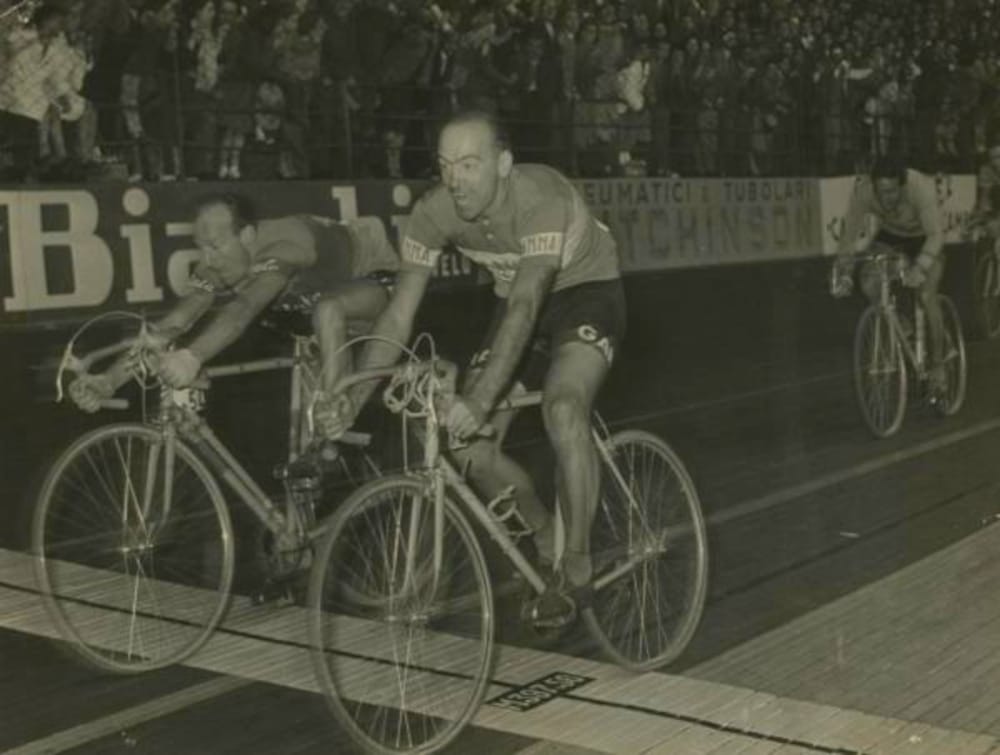
Its visibility did not emerge through team partnerships or coordinated campaigns — it grew because riders used it. The frame suited urban fixed-gear culture, both in performance and in appearance, and became part of the scene through real use rather than promotional placement.
Fixed Gear Culture as Context, Not Strategy
The vigorelli became visible in alleycat events, messenger communities, local track sessions and urban fixed-gear races because riders brought it there. There was no official strategy dictating its presence, and Cinelli did not shape a sponsorship ecosystem around it.
This is an observable pattern: a product integrated into a niche cycling culture through genuine user adoption. Its role in the scene came from riders who selected it, not from a brand initiative that placed it.

If you’re exploring how product identity becomes part of a broader sponsorship narrative, our breakdown of CUBE’s new partnership with Team TotalEnergies offers a clear example of how equipment brands position themselves in the modern pro cycling ecosystem.
Design as an Unintentional Amplifier
Cinelli has a longstanding emphasis on bold graphic identity and distinctive colour work. The Vigorelli continued this direction with strong visual clarity, making the frame easily recognisable in photographs.
Its silhouette, geometry and paint layouts stood out — especially in urban environments and on the track, where shape and contrast read cleanly. This does not imply a deliberate social-media strategy. It is simply a case where a bike that photographs well appears more frequently in photos, which contributes naturally to its cultural visibility.
What the Cinelli Vigorelli Case Teaches
The Cinelli Vigorelli illustrates several grounded insights about cycling culture and marketing:
- Place can give products cultural identity. The historic vigorelli velodrome provides real, documented heritage.
- Community adoption can create meaningful visibility. The frame became present in the scene because people rode it.
- Aesthetic clarity improves recognisability. A visually strong frame spreads more easily in user-generated content.
- Relevance in cycling doesn’t always come from the WorldTour. Fixed-gear culture is niche but influential — and the vigorelli became part of it through authentic use.
A Brand Moment Carried by Culture, Not Sponsorship
The Cinelli Vigorelli sits at the intersection of:
- a historic velodrome, whose past includes documented hour records by Coppi (1942) and Anquetil (1956),
- a distinct visual identity, and
- a community that adopted the frame because it fit their world.
None of this required rights packages, naming deals or commercial placements.
It shows how brand relevance in cycling can emerge organically — from culture, from riders, and from aesthetics — rather than through traditional sponsorship structures.
The vigorelli is not a sponsorship story.
But it is a story about how meaning forms around a product when heritage, design and community align.
For more on how brands enter the sport through structured partnerships rather than cultural adoption, take a look at our recent analysis of Zwift’s commitment to Womens’s Cycling and the extension of the Tour de France Femmes aves Zwift engagement.
For a broader market overview, see our analysis of cycling sponsorship in professional cycling.
Images:
“Cinelli Vigorelli Aluminum 700c Track Frameset” by mirsasha, licensed under CC BY 2.0 (https://creativecommons.org/licenses/by/2.0/), via Wikimedia Commons.
Source: https://commons.wikimedia.org/wiki/File:Cinelli_Vigorelli_Aluminum_700c_Track_Frameset_(18721011281).jpg
“Vigorelli attività pista” by LIVIOandronico2013, licensed under CC BY-SA 4.0 (https://creativecommons.org/licenses/by-sa/4.0/), via Wikimedia Commons.
Source: https://commons.wikimedia.org/wiki/File:Vigorelli_attivita%27_pista.jpg
“Fiorenzo Magni precede Luciano Maggini – Velodromo Vigorelli – 36° Giro d’Italia” by Publifoto, licensed under CC BY-SA 4.0 (https://creativecommons.org/licenses/by-sa/4.0/), via Wikimedia Commons.
Source: https://commons.wikimedia.org/wiki/File:Fiorenzo_Magni_precede_Luciano_Maggini_-Velodromo_Vigorelli-_36%C2%B0_Giro_d%27Italia.jpg
“Velodromo Maspes-Vigorelli 05” by Pava, licensed under CC BY-SA 4.0 (https://creativecommons.org/licenses/by-sa/4.0/), via Wikimedia Commons.
Source: https://commons.wikimedia.org/wiki/File:Velodromo_Maspes-Vigorelli_05.jpg
“Night Cylclist”
By Alex Mares on Unsplash.
Source: https://unsplash.com/photos/vr_denCmfnE
Lates Instagram posts