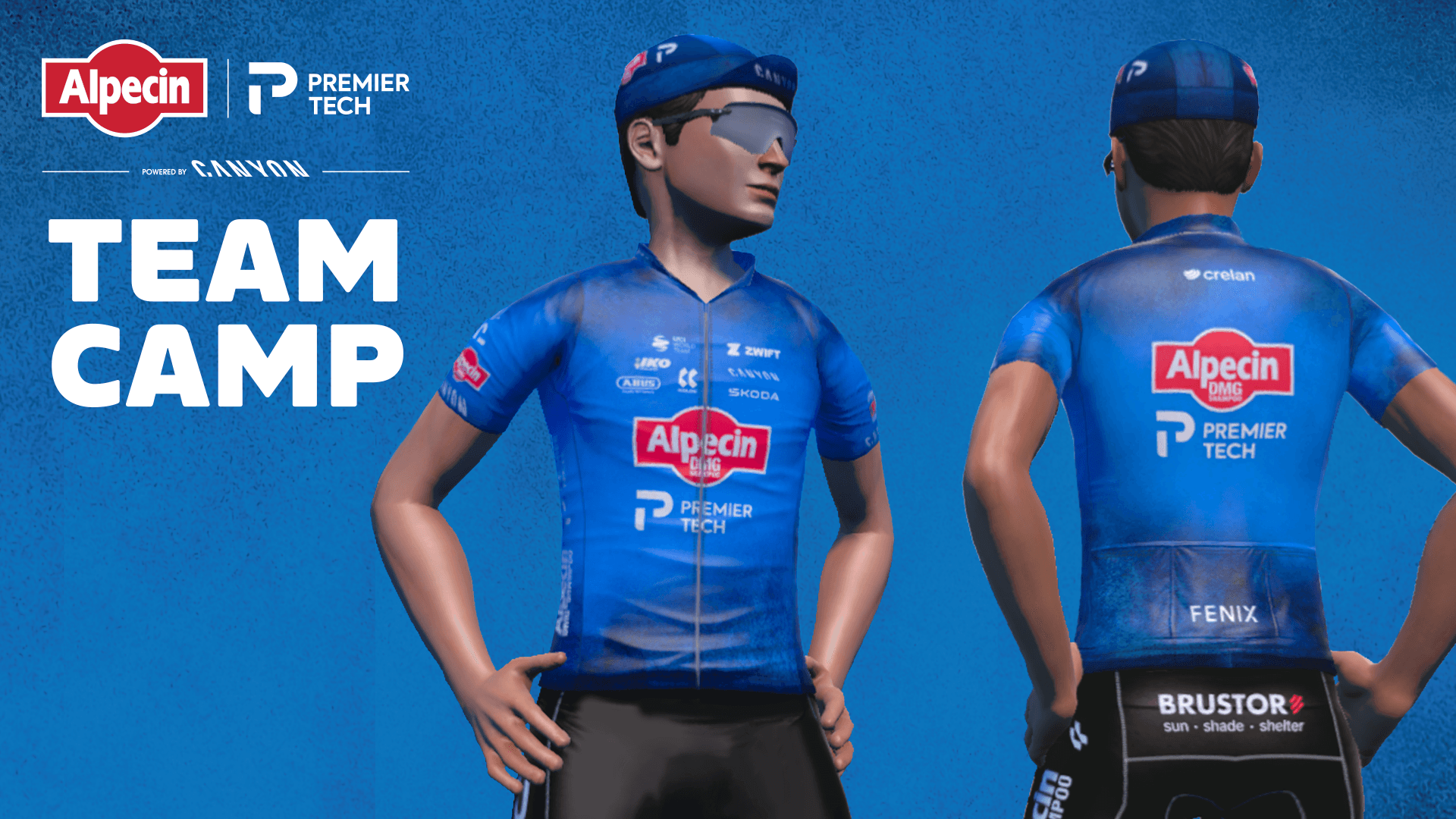
Zwift has launched an Alpecin-Premier Tech team camp on its platform, giving users access to five structured workouts designed by the team’s head of performance, alongside scheduled group rides with professional riders. The format follows a pattern now visible across multiple virtual cycling platforms: structured team content, recurring participation windows and branded rewards as retention mechanics. This is how the Zwift Alpecin-Premier Tech activation works — and what it says about where virtual team sponsorship is heading.
What the Zwift Alpecin-Premier Tech Team Camp Actually Is
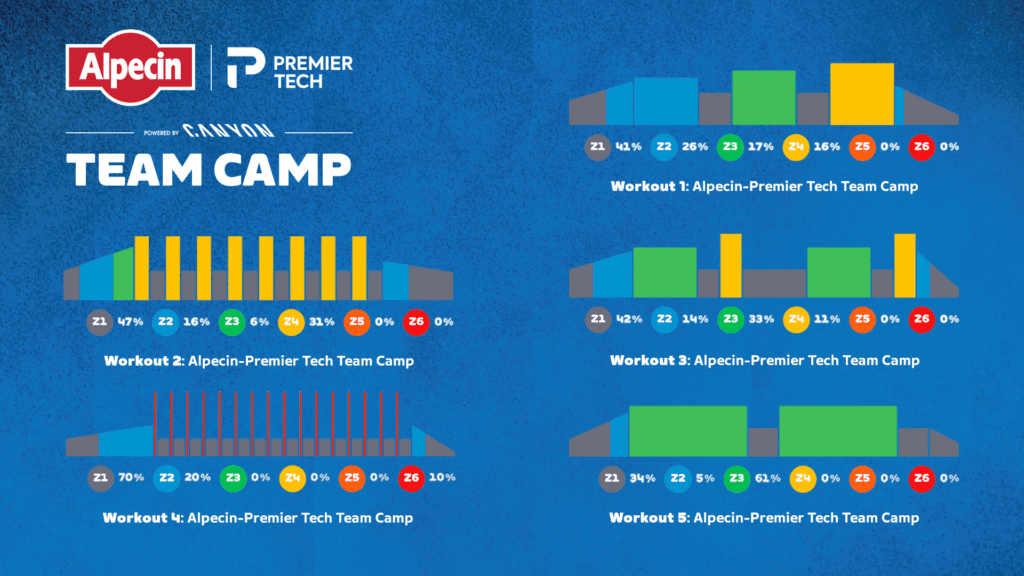
The camp consists of five workouts covering different training zones — endurance, strength, threshold, VO2 max and tempo. Kristof de Kegel, Alpecin-Premier Tech’s Head of Performance, designed the sessions. Users can complete them on-demand or join a group ride, with workouts scheduled every two hours.
The team presence goes beyond branded content. Pro-led rides give Zwifters the chance to ride with members of the Alpecin-Premier Tech roster, including Kaden Groves, Jasper Philipsen, Mathieu van der Poel and former Zwift Academy winners Luca Vergallito and Noah Ramsay.
Completion mechanics add a retention layer. Finish two workouts and unlock an Alpecin-Premier Tech team cap. Complete all five and unlock the team jersey. The reward structure nudges users toward full programme completion rather than one-off participation.
The Activation Logic Behind the Format
The camp is not primarily a training product. It is a sponsorship activation mechanism built inside Zwift’s platform environment.
The structure makes that clear. Alpecin-Premier Tech contributes performance expertise and athlete access. Zwift contributes the infrastructure, the scheduling and the community. Together, they create a format that converts a sponsorship relationship into direct, repeatable user interaction.
Several elements are worth noting:
- Workouts are scheduled, not just available. That means recurring branded touchpoints rather than static content.
- Pro-led rides create direct athlete access — a format that sits closer to a fan experience than a training product.
- The kit rewards tie completion to brand engagement. Users who finish the camp have spent meaningful time inside the Alpecin-Premier Tech brand environment.
The result is sponsorship embedded into the user journey rather than placed around it.
How This Fits the Broader Pattern
This is not the first time a virtual platform has used this model. ROUVY activated its partnerships with Team Visma | Lease a Bike and Lidl–Trek through a structured three-month Winter Training Camp, running from December through February. That format combined official team training plans, virtual versions of European camp locations and scheduled group rides with professional athletes.
TrainingPeaks Virtual has taken a similar approach with Team Novo Nordisk, hosting monthly no-drop community rides where participants ride alongside a team athlete.
The mechanism is consistent across all three: recurring group rides convert sponsorship rights into visible, participatory touchpoints inside the platform environment. What varies is the duration, the structure and the reward logic. Zwift’s camp is time-compressed — five sessions rather than a multi-month series — but the underlying activation model is the same.
What It Means for Virtual Sponsorship
The Zwift Alpecin-Premier Tech team camp is a current example of how professional cycling teams are expanding their activation footprint beyond race-day visibility. For Alpecin-Premier Tech, the camp turns the team’s performance philosophy and athlete roster into accessible, interactive content for a large global user base. For Zwift, the partnership adds differentiated team content to a platform competing on ecosystem depth as much as on features.
The format also reflects something broader. Platforms are increasingly functioning as programmable environments for brand interaction — not just broadcasting tools. When a sponsorship right translates into a scheduled group ride with Mathieu van der Poel, the user experience becomes the core asset. That is a meaningful shift in how virtual cycling platforms deliver sponsor value.
Whether the camp model scales into longer, more structured formats — as ROUVY demonstrated — remains to be seen. For now, it adds another data point to a pattern that is becoming harder to ignore.
Discover more updates on cycling performance tech in our latest market recap for early 2026.
Source
https://news.zwift.com/en-WW/262681-join-alpecin-premier-tech-team-camp

Working in cycling sponsorship, marketing or media?
Get the pro cycling commercial recap.
Curated insights on sponsorship, marketing and commercial developments in professional cycling.
No noise. One recap. Every month. Unsubscribe anytime.
Lates Instagram posts