

In late April 2026, Zwift announced the completed acquisition of ROUVY — the real-routes cycling app. Both platforms will continue to operate independently, with separate roadmaps and subscription packages. This article explains what the Zwift ROUVY acquisition means for users, for the indoor cycling market, and for the professional cycling partnerships both companies have built.
Two Platforms, One Acquisition
The deal brings together the two largest distinct approaches to indoor cycling. Zwift built its position on gamification: virtual worlds, avatars, social racing and esports. ROUVY built on realism: video overlays of actual roads, real gradients and outdoor training simulation. They have attracted different riders for different reasons — and that distinction is, by design, what Zwift intends to preserve.
“ROUVY’s differentiated experience is proof we can be stronger together,” said Eric Min, Zwift Co-Founder and CEO. The language matters: stronger together, not merged into one. The acquisition is structured around co-existence rather than consolidation of product.
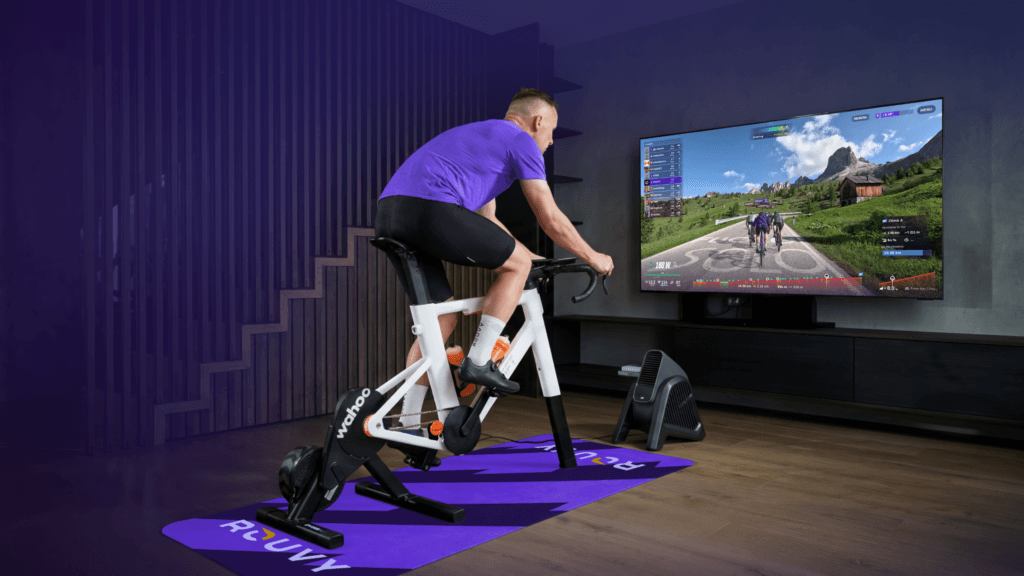
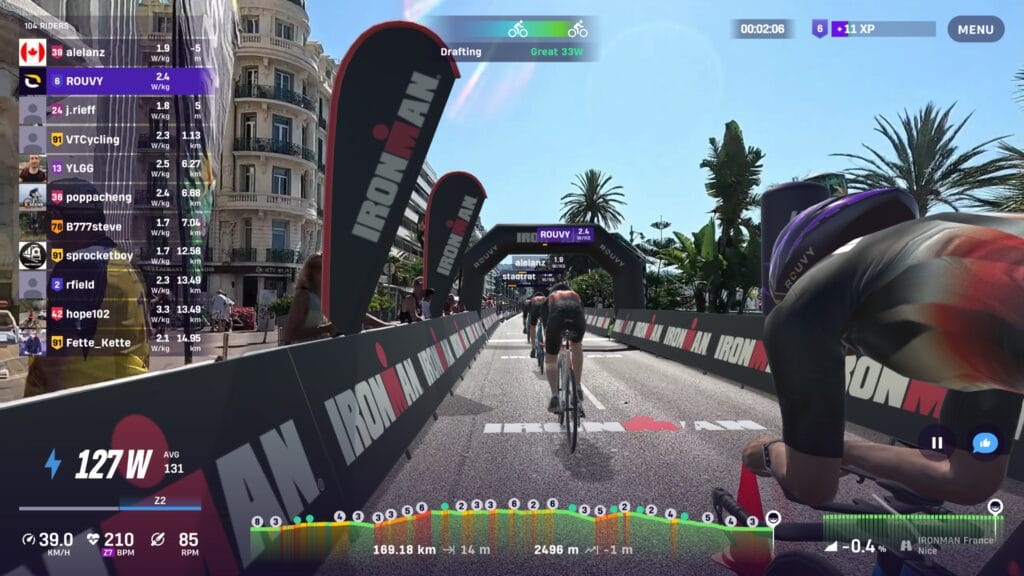
Images: Zwift, Rouvy
What Changes Immediately
From the date of the announcement, Zwift Ready smart trainers and Zwift Ride smart frames work with ROUVY. That is a meaningful hardware unlock. ROUVY users who own Zwift-compatible equipment can now access the ROUVY platform without additional setup. For new riders entering the indoor cycling market through affordable smart trainer hardware — a category Zwift has actively pushed — it removes friction from the path to ROUVY.
Further integration updates are planned across the coming months, though specifics were not shared.
Petr Samek, CEO and Founder of ROUVY, was direct about what does not change: “ROUVY will continue to be the ROUVY you all know and love, with the same team and the same focus on helping riders achieve their cycling goals.”
Why Now: A Market Growing Again
Eric Min pointed to the wider context. “Over the past year, we have seen the indoor cycling market grow at the fastest rate since COVID.” He attributed that growth to two factors: the increased affordability of smart trainer hardware, and a widening audience — riders coming to cycling for the first time through indoor training, drawn by the accessibility and health benefits rather than competitive ambition.
That profile matters commercially. New riders are less attached to existing platform loyalties. They are choosing based on experience, price point and recommendation. Owning both the gamified and the realistic entry point gives Zwift a stronger claim on that undecided audience than either platform could hold alone.
What It Means for Professional Cycling Partnerships
Both Zwift and ROUVY have invested in professional cycling partnerships as activation vehicles. ROUVY has built relationships with Lidl-Trek and Visma | Lease a Bike through its Winter Virtual Training Camp format, embedding team training plans, virtual camp locations and group rides with professional athletes directly into the platform. Zwift, meanwhile, recently launched its Alpecin-Premier Tech Team Camp — five structured sessions with pro-led rides and kit rewards built into the Zwift environment.
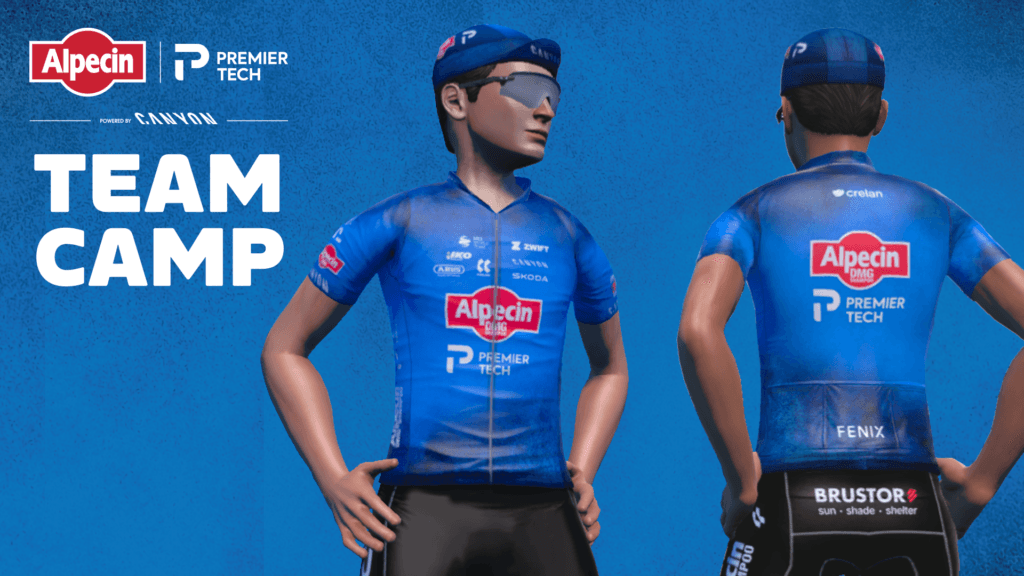
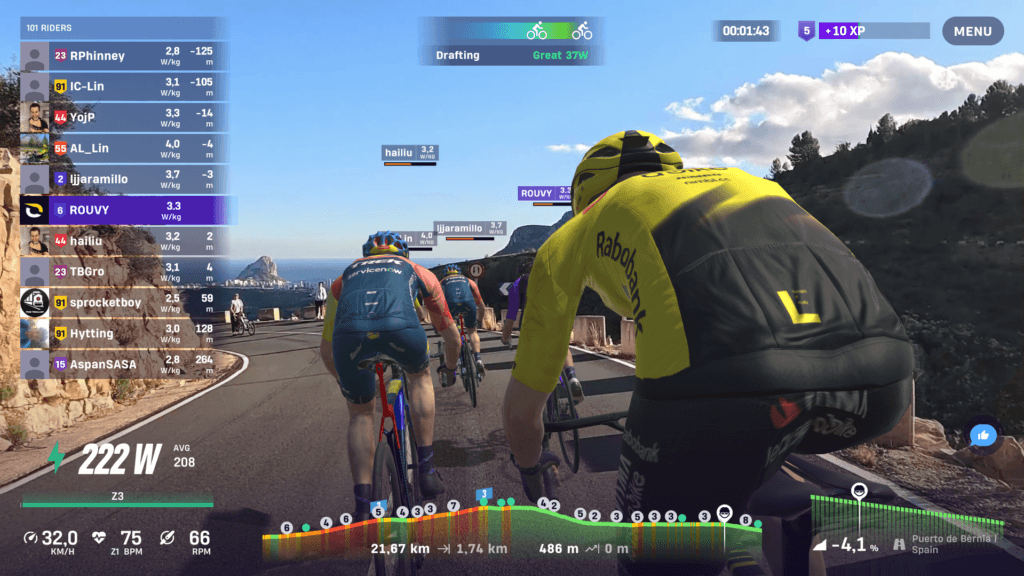
Images: Zwift, Rouvy
Under separate ownership, these activations competed for team partners and sponsor attention. Under the same roof, they serve different audience segments without cannibalising each other. A team like Lidl-Trek can activate on ROUVY with realistic route simulations for training-focused users, while a team like Alpecin-Premier Tech runs gamified group rides on Zwift for community-oriented ones. The same parent company, two coherent activation surfaces.
Consolidation in a Growing Market
The Zwift ROUVY acquisition is the most significant consolidation move in the virtual cycling platform space since the sector matured post-pandemic. It leaves the market with one dominant group holding the two most established differentiated products, alongside smaller players including MyWhoosh, TrainingPeaks Virtual and Wahoo’s RGT — though RGT was itself shut down in 2023 following Wahoo’s financial difficulties.
Virtual fitness has been through a brutal few years. Peloton restructured. Wahoo shut down RGT. The post-pandemic boom left a crowded market with too many platforms chasing the same subscriber. What makes the Zwift ROUVY deal different is that both products serve genuinely distinct riders — one built on gaming and community, one on realism and outdoor simulation. That distinction is the commercial logic behind keeping them separate rather than merging them. It is also what gives the combined entity something most platform consolidations cannot claim: two audiences that do not fully overlap.
For professional cycling’s commercial ecosystem, the acquisition matters because both platforms have become meaningful activation environments for teams, sponsors and race organisers. A stronger, better-resourced combined entity is good for the sport’s digital infrastructure — provided the independence promise holds.
Sources
Images: Zwift press release

Working in cycling sponsorship, marketing or media?
Get the pro cycling commercial recap.
Curated insights on sponsorship, marketing and commercial developments in professional cycling.
No noise. One recap. Every month. Unsubscribe anytime.
Lates Instagram posts