
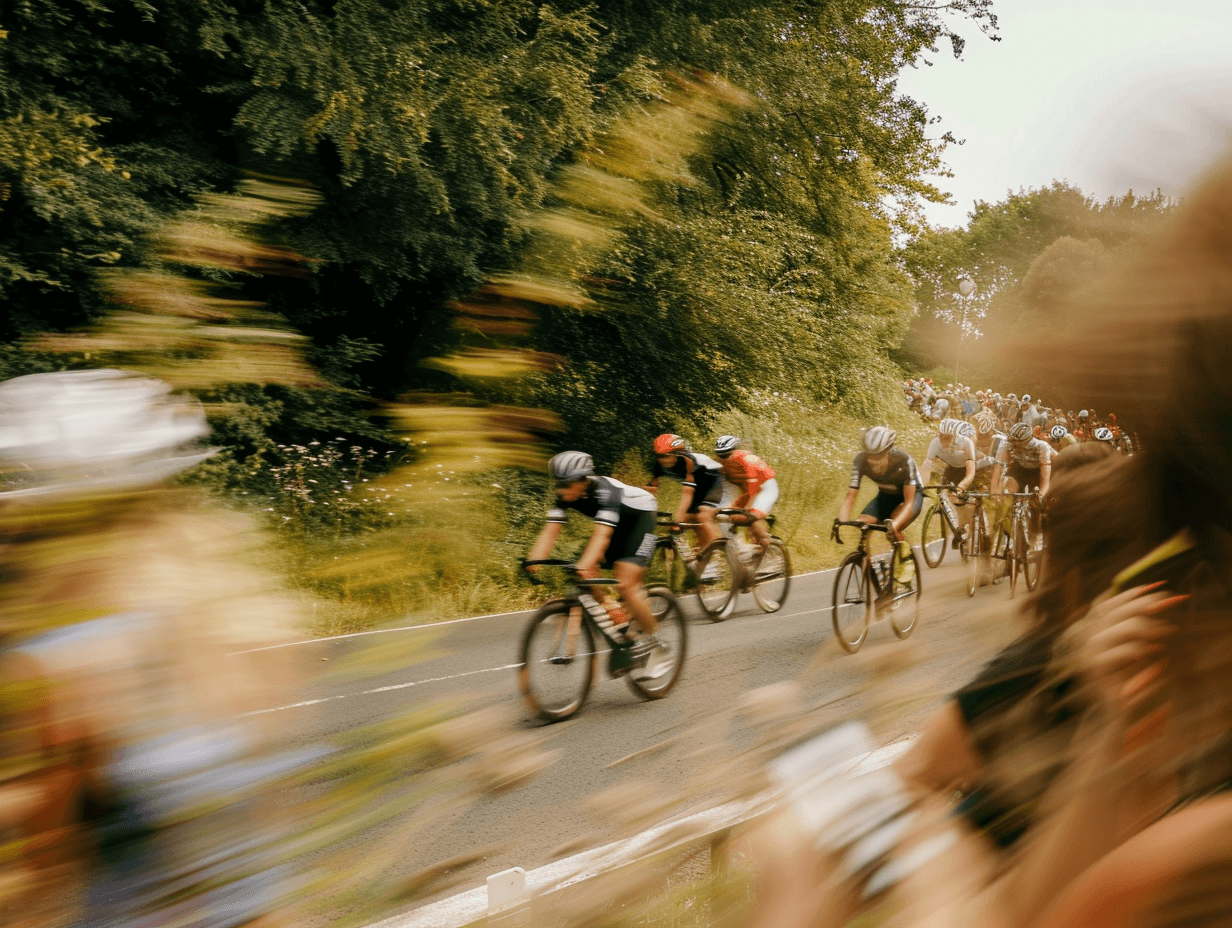
Professional road cycling relies on a network of technical and performance-oriented partners. These brands are integrated directly into the sporting product — from bicycles and components to apparel, nutrition and performance technology. Their value is built through functional use, performance validation and long-term credibility within the sport.
This page outlines the structural role, dynamics and recurring patterns of technical and performance sponsorship in professional cycling. It forms part of the broader Cycling Sponsorship Landscape.
Functional Role Within the Sponsorship Ecosystem
Unlike pure financial title sponsorship, technical and performance partnerships are embedded in the competitive output of the team. Products are used in training and racing environments, tested under high-performance conditions and publicly validated through results and athlete association.
The value logic differs from logo-based exposure. While media visibility remains important, credibility, technical innovation and integration depth often play a larger role in long-term brand positioning. Partnerships frequently involve co-development, research collaboration and product feedback loops between teams and manufacturers.
Investment level does not define this segment. A technical partner may act as title sponsor, co-title sponsor or official supplier. The defining characteristic is functional integration rather than financial hierarchy.
For a broader sponsorship overview across professional cycling, see the Pro Cycling Sponsorship Overview 2026 (PDF).
Equipment & Component Suppliers
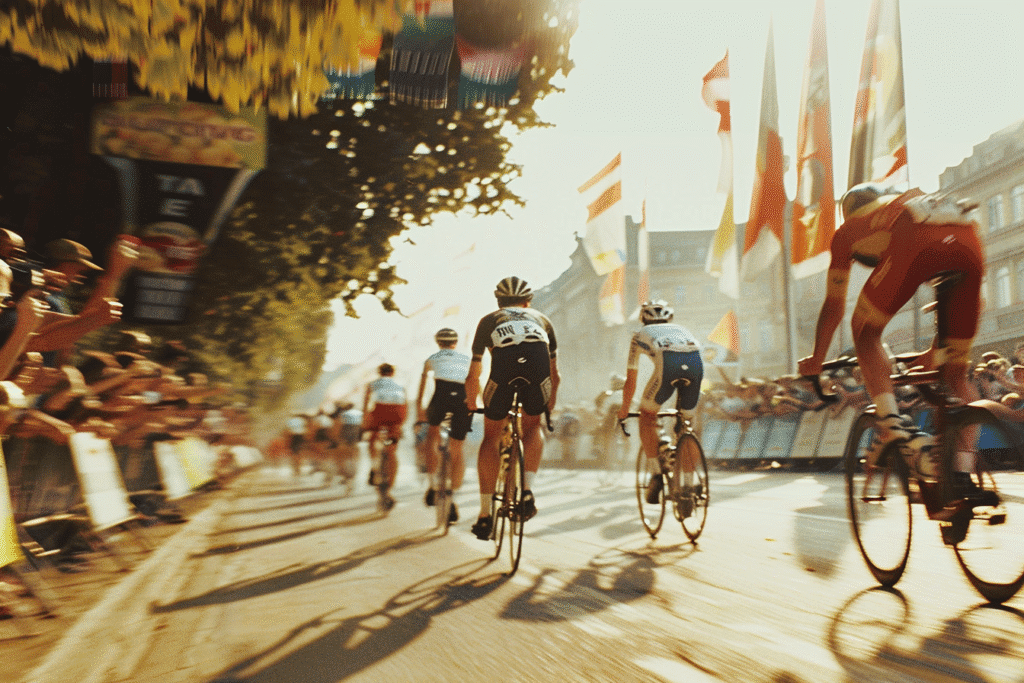
Equipment suppliers represent the most visible layer of technical sponsorship. Bicycle manufacturers, drivetrain brands, wheel suppliers and component specialists shape both performance and brand perception.
This segment is characterised by:
- Multi-year supply agreements
- Co-development of frames, components and aerodynamic systems
- Equipment switching cycles linked to contract renewals
- Strong performance narratives tied to race outcomes
Because products are directly used in competition, performance validation becomes central to sponsorship value. Visibility is combined with proof-of-concept under elite conditions.
A selection of structural analyses and supplier updates can be found at the end of this page.
Apparel & Identity Brands
Apparel partners occupy a hybrid position between performance integration and brand identity. Team kits define visual identity within the peloton and function as high-frequency exposure assets across the race calendar.
At the same time, leading apparel brands often pursue broader positioning strategies:
- Premium performance credibility
- Lifestyle and cultural alignment
- Direct-to-consumer market expansion
- Community-driven brand building
Apparel sponsorship therefore blends technical integration with identity construction.
Performance Nutrition & Support Partners
Nutrition and physiological support brands operate at the intersection of science and competition. While less visually dominant than equipment suppliers, they play a central role in performance optimisation.
This segment typically focuses on:
- Energy system validation under race conditions
- Scientific positioning and research-backed credibility
- Athlete endorsement as performance proof
- Long-term integration in training environments
Visibility is often secondary to credibility and association with elite output.
Working in cycling sponsorship, marketing or media?
Get the pro cycling commercial recap.
One edition per month. No noise.
Data & Performance Technology
Performance technology partners provide analytical and preparation infrastructure rather than race-day visibility. Training platforms, performance analytics systems and sensor technologies increasingly form part of the technical ecosystem surrounding professional teams.
These partnerships reflect a broader shift toward data-driven preparation and year-round optimisation. While related to digital platform expansion, performance technology sponsorship is defined by performance support rather than fan-facing interaction.
Recent examples of this trend are the Mistral AI partnership with Team Visma | Lease a Bike or the ServiceNow partnership with Lidl-Trek which explores how artificial intelligence can support performance analysis and decision-making in professional cycling.
Structural Patterns & Market Dynamics
Across equipment, apparel, nutrition and performance technology, several recurring patterns emerge:
- Multi-year supply agreements provide stability and product continuity
- Innovation cycles influence sponsorship turnover
- Equipment switching often signals broader strategic repositioning
- Co-development relationships deepen integration between teams and brands
- Performance validation functions as a long-term credibility mechanism
Viewed collectively, technical and performance sponsorship forms a foundational layer within the professional cycling ecosystem. It links brand positioning directly to athletic output and reinforces the sport’s identity as a performance-driven environment.
Selected Structural Developments
A curated selection of analysis and reporting related to technical and performance sponsorship in professional cycling:


Lead Out is an independent analytical and editorial platform focused on marketing and sponsorship in professional cycling. Not an agency. Not a marketing service provider.

Working in cycling sponsorship, marketing or media?
Get the pro cycling commercial recap.
Curated insights on sponsorship, marketing and commercial developments in professional cycling.
No noise. One recap. Every month. Unsubscribe anytime.